Introduction
The way travelers, local residents, and independent vehicle operators navigate transportation across Europe is undergoing a steady evolution. Traditional rental agencies have long dominated the market, but travelers often encounter rigid booking terms, limited vehicle choices outside major transport hubs, and high administrative overheads. At the same time, motorcycle enthusiasts and local vehicle owners look for flexible alternatives that allow them to make use of idle assets. This growing demand has fueled the rise of online digital marketplaces designed to bridge the gap between people who need transport and those who own or manage vehicles.
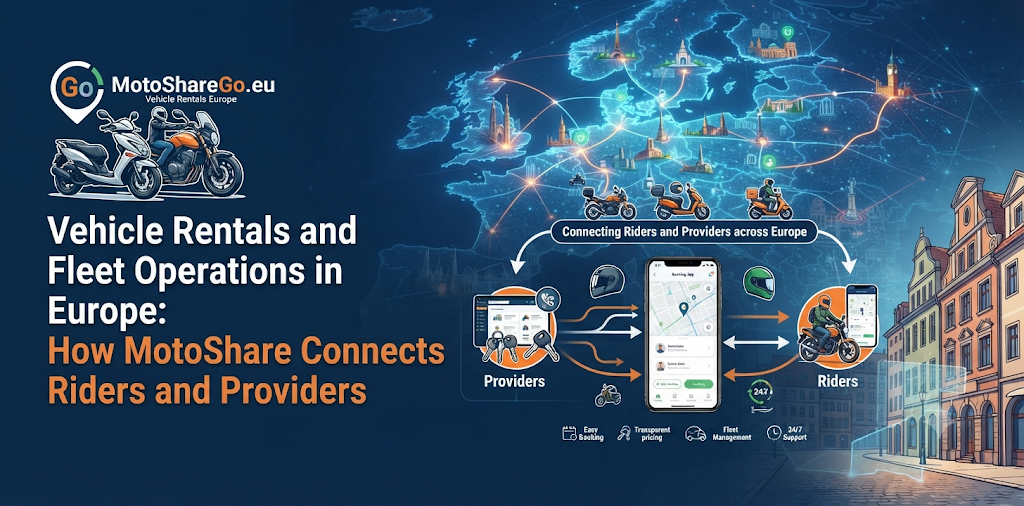
MotoShare Europe steps into this landscape as an online vehicle rental marketplace built to connect travelers, motorcycle enthusiasts, local residents, independent vehicle owners, and rental businesses across Europe. Rather than relying solely on traditional brick-and-mortar storefronts, the platform aims to make vehicle access more flexible through direct peer-to-peer connections and online discovery tools. For anyone planning a scenic road trip, navigating busy urban streets, or seeking out a specialized machine, finding a reliable motorcycle rental Europe has become much easier through transparent online marketplaces that highlight independent listings and local providers.
Understanding how these digital ecosystems operate helps both renters and providers navigate the modern mobility market. Whether you are looking to secure a short-term ride for a weekend getaway or exploring ways to manage your own small fleet of rental vehicles, digital marketplaces and software tools provide new avenues for efficient travel and vehicle management.
Understanding the European Vehicle Rental Marketplace
Online vehicle rental marketplaces function differently from traditional, centralized rental car corporations. Instead of maintaining massive corporate fleets in every major city, these platforms act as digital connectors. They gather listings from independent vehicle owners, local scooter shops, and small fleet operators, presenting them in a single, searchable digital environment.
When exploring a platform like MotoShare Europe, users can typically filter available listings by destination, vehicle type, and preferred rental dates. Travelers can review detailed vehicle specifications, inspect clear photographs provided by owners or shops, and read transparent pricing terms before making a choice. This direct visibility allows renters to compare different options side by side, evaluating whether a sporty motorcycle, a fuel-efficient scooter, a bicycle, or a standard car best fits their travel itinerary.
Once a suitable vehicle is located, the user initiates a booking request directly through the platform. Unlike traditional agencies where vehicles are picked up from corporate counters, peer-to-peer and marketplace rentals often involve coordinated handover arrangements directly with the owner or local shop partner. While this model offers greater flexibility and a wider variety of unique vehicles, availability varies significantly by region. It is important to remember that vehicle listings depend entirely on active local participation, meaning inventory is concentrated in specific areas rather than spread evenly across every European city or country.
Why Motorcycle Rentals Appeal to European Travelers
Exploring Europe on two wheels offers a distinct perspective that enclosed vehicles simply cannot match. From winding coastal roads along the Mediterranean to alpine passes in central Europe, motorcycle travel provides a sense of freedom and immersion in the surrounding landscape. Travelers and motorcycle enthusiasts frequently choose motorcycles not just as a practical means of transport, but as an integral part of the travel experience itself.
Renting a motorcycle allows riders to bypass congested traffic bottlenecks, find parking more easily in historic city centers, and enjoy open roads at their own pace. Whether planning a multi-week cross-country tour or a quick weekend afternoon ride, having access to flexible rental terms makes it simpler to fit travel plans around personal schedules. Furthermore, digital marketplaces give riders access to a diverse range of motorcycle models—from lightweight commuters to rugged touring bikes—that traditional agencies may not stock in their standard commercial fleets.
However, choosing to ride across Europe requires careful preparation. Rental suitability depends on local availability, individual riding experience, regional licensing laws, and appropriate insurance coverage. Riders must ensure their driving permits are valid for the specific engine category they intend to pilot and verify that they are comfortable with local road regulations in their destination country.
How Vehicle Owners and Riders Can Connect Directly
The core innovation of peer-to-peer marketplaces lies in unlocking private vehicle assets that would otherwise sit idle in driveways or garages. Through digital platforms, vehicle owners can list their motorcycles, cars, or scooters when they are not using them, transforming a depreciating asset into an opportunity for supplementary income. Meanwhile, riders gain access to a wider variety of well-maintained, privately owned machines.
Successful peer-to-peer rentals rely heavily on clear communication and transparency between both parties. Vehicle owners must provide accurate descriptions of their machines, noting any minor cosmetic wear, mileage limits, and included accessories like helmets or luggage cases. High-resolution photographs taken from multiple angles help build trust and set clear expectations for interested renters.
Transparency regarding availability calendars, collection arrangements, and return conditions is equally vital. When owners and riders establish clear lines of communication before the rental period begins, handovers run smoothly and potential misunderstandings are easily avoided. This direct connection fosters a community-driven approach to mobility, where enthusiasts can share their passion for riding while helping others explore new destinations. For riders interested in this model, exploring peer to peer motorcycle rental Europe options provides an exciting alternative to standard commercial storefronts, though availability remains tied to local owner participation.
Supporting Independent Rental Businesses with Digital Tools
Small vehicle rental businesses and independent operators face unique daily challenges. Managing multiple vehicle listings across different channels, keeping availability calendars synchronized, and tracking customer records manually can consume hours of valuable administrative time. Without efficient digital systems, small operators often struggle to scale their business or respond quickly to incoming reservation inquiries.
To address these operational hurdles, MotoShare Europe promotes a free vehicle rental management software offering designed specifically for independent rental shops and fleet operators. While the website advertises these software capabilities—such as listing management, reservation tracking, customer record keeping, and revenue monitoring—the full functionality and integration depth have not been independently verified. Operators should evaluate these tools based on their current feature availability and determine how well they fit into existing daily workflows.
By adopting digital management tools, small rental operators can centralize their operations, reduce double-booking risks, and maintain clearer financial records. Even basic software solutions help streamline daily tasks, allowing business owners to spend less time on paperwork and more time focusing on customer service and fleet maintenance.
Choosing the Right Software for Different Rental Businesses
Vehicle rental operations vary greatly in size and vehicle composition, meaning a one-size-fits-all approach to software rarely works. A boutique shop renting vintage Vespas has vastly different daily requirements than a company managing a mixed fleet of compact city cars and touring motorcycles. Selecting the appropriate digital tool depends entirely on the specific operational demands of the business.
For operators focusing exclusively on automobiles, adopting specialized software helps streamline vehicle handovers, inspection logs, and insurance tracking. Many small operators look for free car rental software solutions to test digital management without incurring heavy upfront subscription costs. These tools typically assist with basic scheduling, customer data storage, and availability tracking.
Similarly, businesses centered around human-powered or lightweight motorized transit require tailored features. Dedicated bike rental software helps shops manage hourly or daily reservations, track equipment maintenance schedules, and handle seasonal demand spikes for touring or commuter bicycles. On the other hand, urban mobility providers benefit greatly from specialized scooter rental software that organizes quick turnovers, battery-status tracking, and rapid customer check-ins. When evaluating any management tool, operators should carefully review core features such as booking management, fleet availability displays, and reporting functions to ensure they meet daily operational needs.
Making Vehicle Reservations Easier to Manage
An efficient reservation process is the backbone of any successful vehicle rental experience, whether managed by a small independent shop or facilitated through a peer-to-peer marketplace. For renters, a smooth booking workflow ensures clarity regarding vehicle selection, dates, and total costs. For operators, it eliminates administrative confusion and prevents scheduling conflicts.
A structured vehicle rental booking system allows users to view real-time availability, select precise pickup and drop-off windows, and submit reservation requests without friction. Capturing accurate customer information during this stage ensures that rental agreements, verification documents, and payment details are organized securely before the vehicle handover takes place.
On online marketplaces, the reservation system also serves as the communication bridge between the renter and the provider. It tracks the status of a booking request from initial inquiry to final confirmation, providing peace of mind to both parties. It is important to note that the actual booking confirmation timeline and fulfillment details depend heavily on the participating provider’s responsiveness and the platform’s verified operational capabilities.
Opportunities for Motorcycle and Car Owners
For individuals who own a motorcycle, scooter, or car that sits unused for extended periods, putting the vehicle to work through a rental platform is an appealing prospect. Preparing a vehicle for rental involves several practical steps to ensure safety, reliability, and a positive experience for incoming renters.
Before listing any vehicle, owners should conduct a thorough mechanical inspection to verify that tires, brakes, fluids, and electrical components are in top condition. Taking clean, well-lit photographs that accurately reflect the current state of the vehicle is essential for attracting interest. Writing an honest, detailed description—including engine specifications, handling characteristics, and any specific operating instructions—helps match the vehicle with the right driver.
Property owners must also review local legal requirements, registration rules, and insurance coverage stipulations to ensure their vehicle is eligible for commercial or peer-to-peer sharing. Setting reasonable rental terms and establishing clear guidelines for collection and return handovers protect both parties. While sharing a personal vehicle can be a rewarding way to offset ownership costs, owners should approach the process realistically, keeping in mind that bookings depend on local demand and vehicle desirability rather than guaranteed regular income. If you own a well-maintained automobile and want to explore local sharing opportunities, you can learn more about how vehicle owners list my car for rent through participating regional platforms. Similarly, riders who want to monetize their downtime can explore opportunities to rent out my motorcycle safely and transparently.
Understanding Motorcycle Rental Prices Across Europe
Rental costs for motorcycles and other vehicles vary widely across Europe, influenced by a complex combination of local market factors, seasonal demand, and vehicle specifications. Understanding what drives these costs helps travelers budget effectively and avoid unexpected expenses during their trip.
The primary factor influencing price is the vehicle itself. A lightweight 125cc scooter or commuter motorcycle naturally commands a lower daily rate than a high-capacity touring adventure bike equipped with premium luggage and advanced electronics. Rental duration also plays a role; longer booking periods often benefit from discounted daily rates compared to single-day weekend rentals.
Geographic location and seasonality heavily impact pricing as well. Popular tourist destinations during peak summer months typically see higher demand and increased rental rates, whereas shoulder seasons or less-frequented regions may offer more competitive pricing. Additional cost considerations include insurance coverage levels, security deposits, mileage restrictions, and any included accessories like helmets or riding gear. Renters should always review the complete breakdown of fees before confirming a booking to ensure transparency.
Safety, Insurance, and Legal Considerations
Safety and legal compliance should always be the top priority for both vehicle owners and renters before any keys change hands. European road regulations, licensing categories, and insurance frameworks vary significantly from one country to another, meaning assumptions made in one region may not apply elsewhere.
Renters must ensure they hold a valid driving licence with the correct category endorsement for the vehicle they intend to operate. Minimum age requirements and international driving permit stipulations can also differ depending on the destination country and the provider’s terms. Before setting off, renters should conduct a thorough pre-rental vehicle inspection alongside the owner or shop representative, documenting any existing scratches or mechanical quirks to prevent deposit disputes upon return.
Insurance coverage is another critical area that requires careful verification. Both renters and owners must understand what the platform or third-party provider’s insurance policy covers, including deductibles, third-party liability limits, and specific exclusions (such as riding on unpaved roads or cross-border travel). Wearing certified protective gear—such as helmets, jackets, and gloves—is not only mandatory in many European jurisdictions but essential for personal safety on the road.
How MotoShare Europe Can Support the Rental Journey
MotoShare Europe brings together the diverse needs of travelers, vehicle enthusiasts, private owners, and independent rental operators into a single digital ecosystem. By focusing on accessible vehicle discovery, peer-to-peer sharing opportunities, and practical management software, the platform aims to make mobility more flexible across participating European regions.
Whether you are a traveler searching for a reliable ride, an enthusiast planning a scenic tour, an owner looking to share an idle vehicle, or a small business operator seeking digital tools to streamline daily tasks, understanding the marketplace’s structure is key to a successful experience. While inventory is currently concentrated in select areas rather than spanning every corner of the continent, the platform provides a convenient starting point for modern vehicle sharing.
To explore available listings, review independent rental partner offerings, or learn more about digital management tools for your business, visit MotoShareGo.eu today.
Frequently Asked Questions
How does a vehicle rental marketplace work in Europe? An online vehicle rental marketplace connects people looking for transport with independent vehicle owners and local rental shops. Users browse digital listings by destination and vehicle type, compare options, and request bookings directly through the platform, facilitating flexible peer-to-peer or local business rentals.
What should travelers check before renting a motorcycle? Travelers should verify their driving licence eligibility for the specific engine category, check minimum age requirements, and review local road rules. It is also important to inspect the vehicle thoroughly, understand insurance coverage limits, and confirm pickup and return arrangements before starting the trip.
What factors influence motorcycle rental prices? Rental prices depend on vehicle type, engine displacement, rental duration, and seasonal demand in the destination region. Additional factors include security deposits, insurance options, mileage limits, and whether protective gear or luggage accessories are included in the rental agreement.
Can private motorcycle owners make their vehicles available for rental? Yes, private owners can list their motorcycles on peer-to-peer marketplaces when not in use. Owners must ensure their vehicles are mechanically sound, provide accurate descriptions and clear photos, and review local legal and insurance requirements before accepting rental requests.
What should a small rental business look for in management software? Small operators should look for software features that simplify daily workflows, such as centralized vehicle listing management, real-time availability calendars, reservation tracking, customer record keeping, and basic revenue reporting tailored to their fleet size.
How can renters compare different vehicle options? Renters can use digital marketplace filters to sort vehicles by category, location, price, and rental dates. Reviewing detailed owner descriptions, high-resolution photographs, and transparent pricing breakdowns helps users compare features and select the most suitable vehicle.
What insurance details should renters review? Renters should examine the exact coverage terms, including third-party liability, collision damage waivers, deductible amounts, and any geographic restrictions like cross-border travel limitations. Understanding these details prevents unexpected liabilities in the event of an incident.
Can rental businesses manage multiple vehicle categories? Many digital management tools allow operators to oversee mixed fleets comprising cars, motorcycles, scooters, and bicycles. Using centralized software helps businesses track availability and customer bookings across different vehicle types from a single dashboard.
What should owners prepare before listing a vehicle? Owners should perform a comprehensive maintenance check to ensure the vehicle is safe and reliable. They should also clean the vehicle, take clear photographs from multiple angles, write an honest description, and set transparent terms regarding mileage and availability.
Final Thoughts
The evolution of vehicle rentals in Europe highlights a growing desire for flexibility, transparency, and community-driven mobility. Digital marketplaces and peer-to-peer sharing platforms empower individuals to explore destinations on their own terms while giving vehicle owners and small businesses new ways to manage their assets.
Success in this space relies on thorough preparation—checking vehicle availability, verifying insurance terms, respecting local road laws, and communicating clearly with providers. By approaching vehicle rentals with care and curiosity, both travelers and operators can make the most of what Europe’s roads have to offer. Take the time to explore your options, verify local conditions, and discover how MotoShare Europe can support your next journey or rental venture.